Research
Circuit development of cortical interneurons
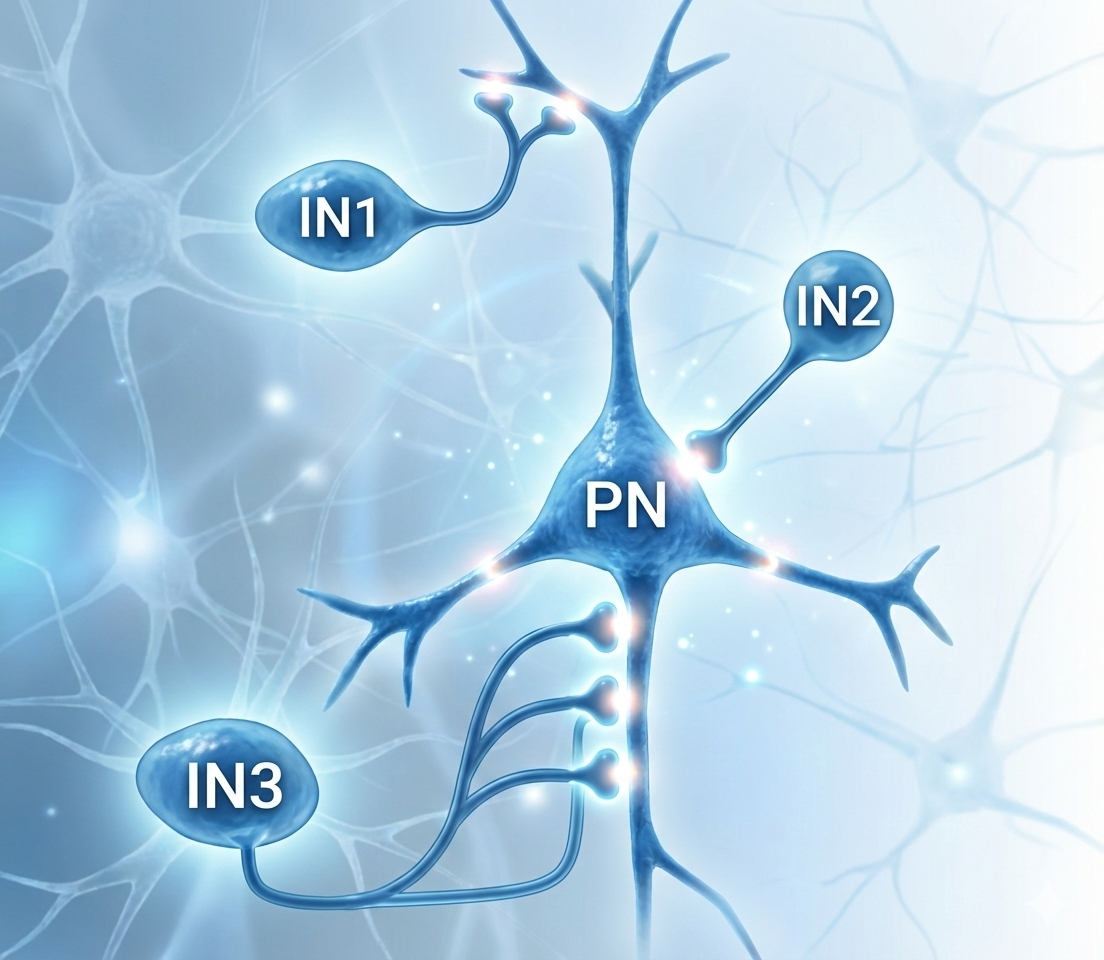
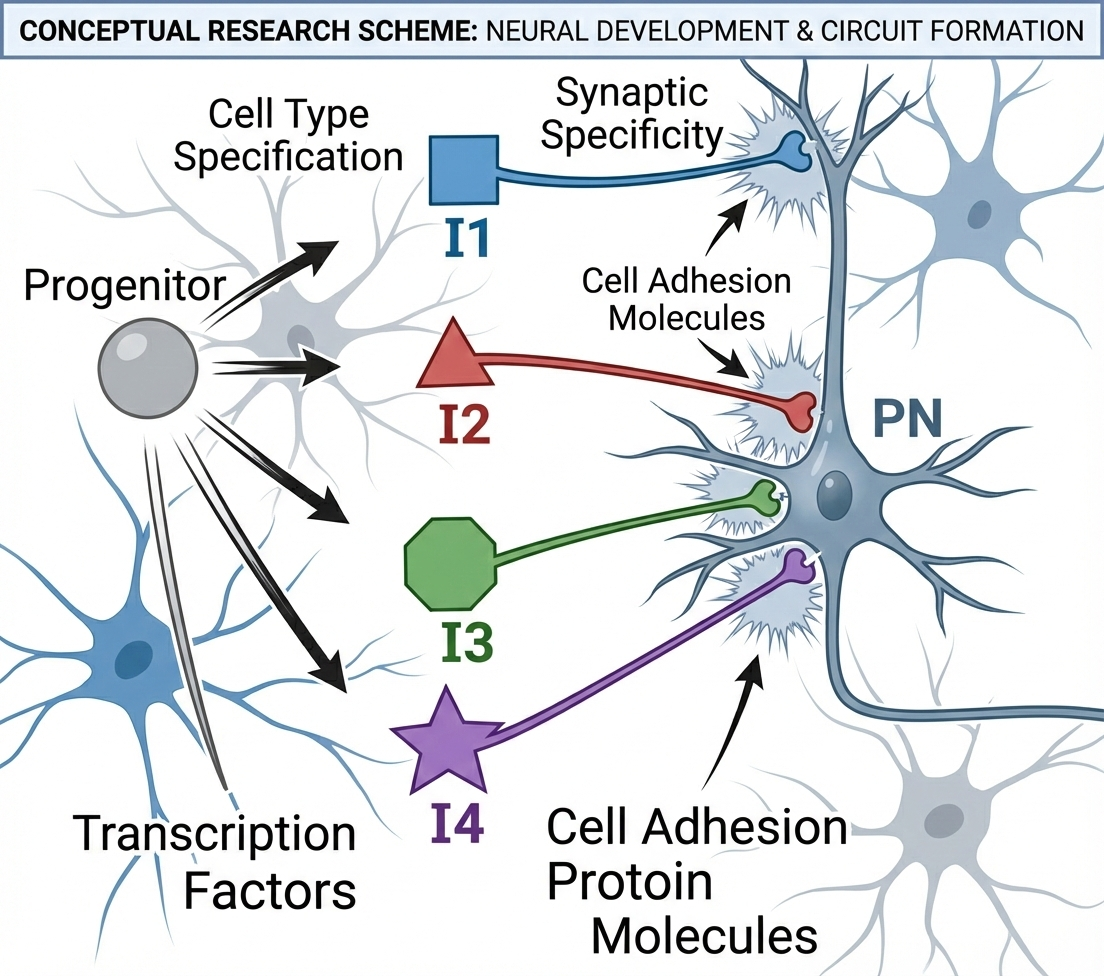
The human brain works through the precise coordination of countless neurons. Among them, GABAergic inhibitory interneurons (INs) act as the brain’s conductor, shaping and balancing neuronal activity and contributing to disorders such as epilepsy, autism, and schizophrenia. Cortical inhibitory INs are remarkably diverse, with subtypes forming specific local connections and performing unique inhibitory functions. Using advanced genetic tools and live imaging, our lab investigates the molecular mechanisms that guide the specification and synaptic development of cortical IN subtypes, focusing on transcription factors and adhesion molecules. This work provides fundamental insights into how inhibitory circuits assemble and how dysfunction contributes to neurological disease.
The role of cortical interneurons in pain perception
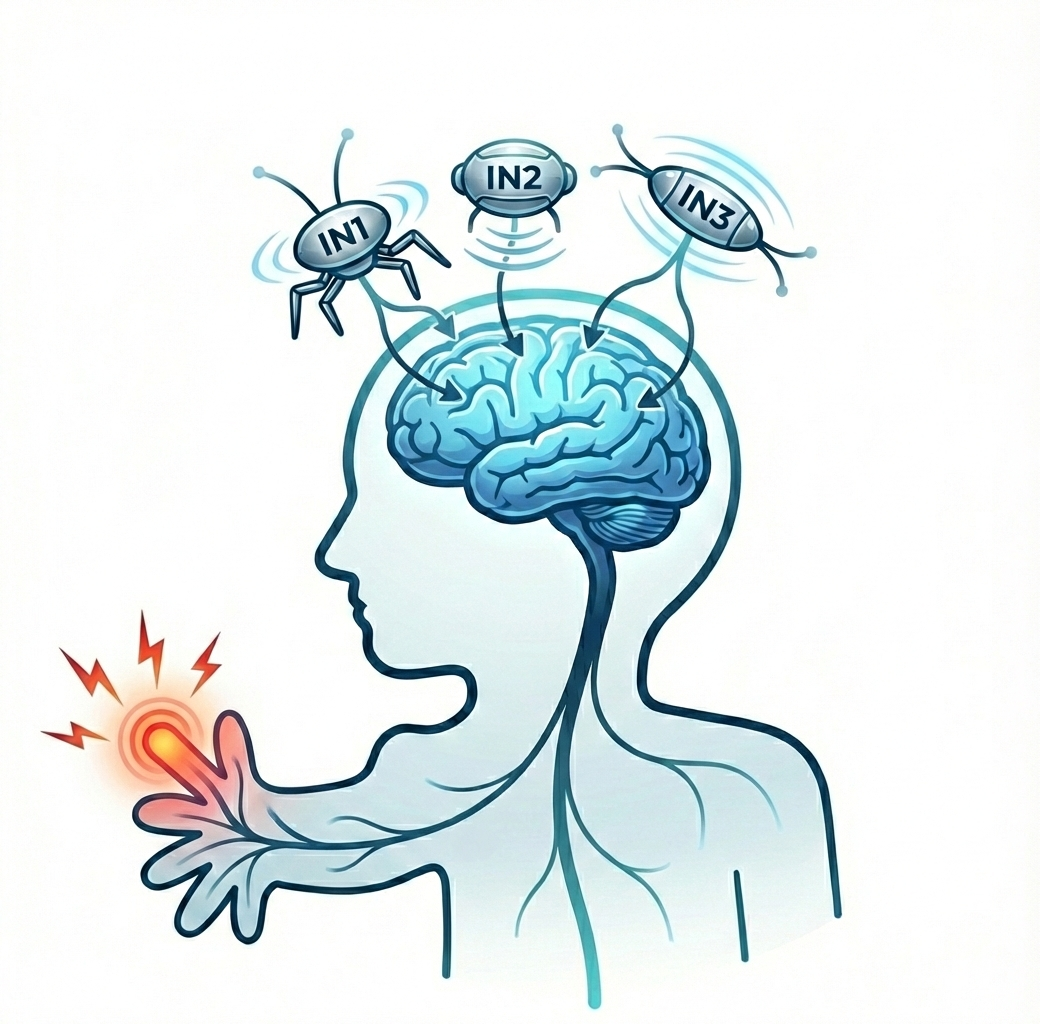
Pain perception involves both peripheral sensory input and cortical processing. Cortical inhibitory circuits maintain appropriate pain sensitivity under normal conditions, and their dysfunction can lead to pathological pain such as allodynia. Using in vivo imaging and advanced RNA sequencing technologies, our lab studies the cellular and molecular mechanisms underlying abnormal pain perception, with a particular focus on interneuron subtypes. Our findings contribute to the development of new pain management strategies.