Center of Excellence - Genitourinary
Division Leadership


About the Division
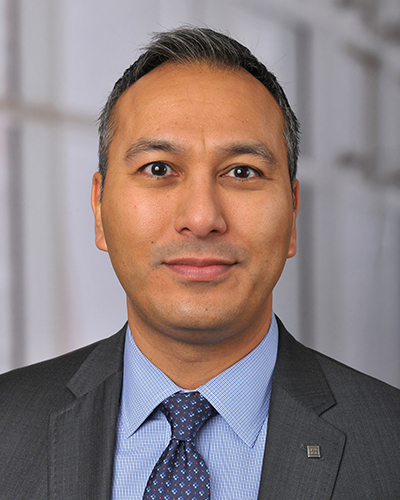
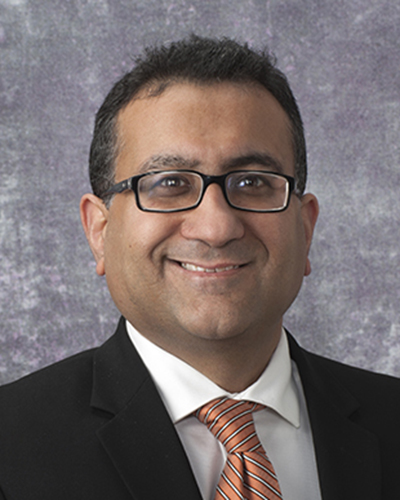
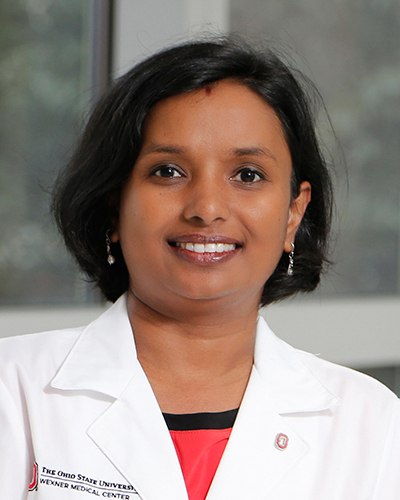
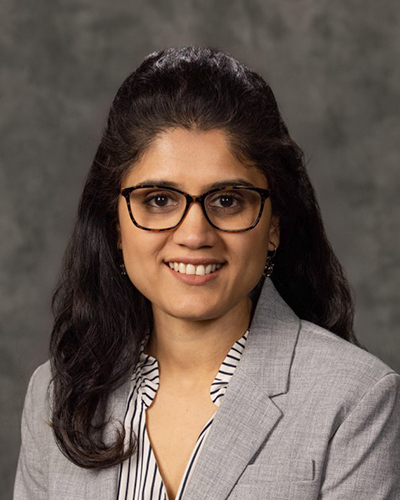
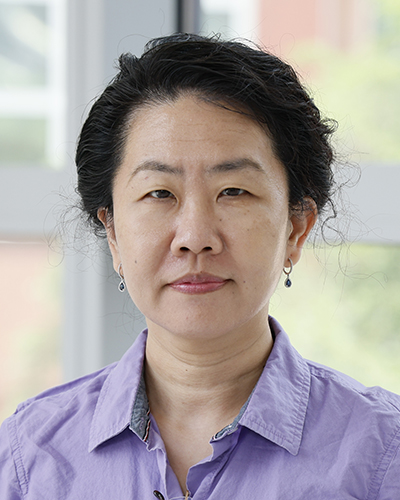
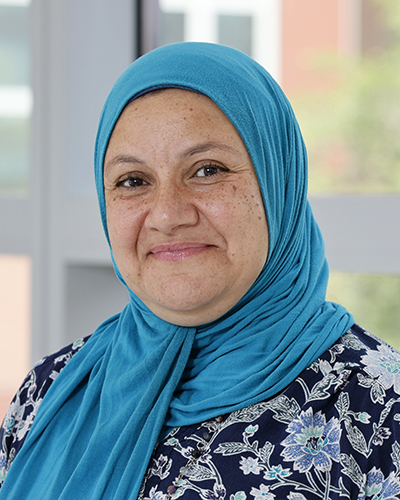
The Division of Genitourinary Pathology consists of Dr. Debra Zynger (director), Dr. Gary Tozbikian, Dr. Anil Parwani, Dr. Swati Satturwar, Dr. Vidya Arole, Dr. Qingqing Wu, Dr. Dalia Ibrahim and Dr. Tiffany Alley.
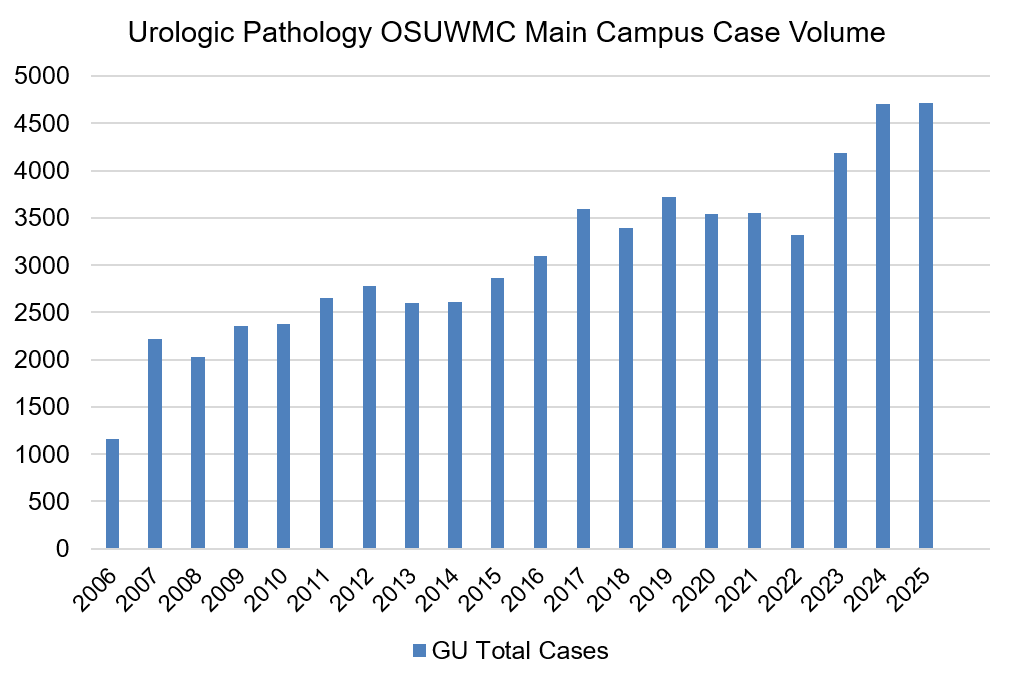
The division is responsible for an annual volume of 4800 cases, excluding the community and outreach hospitals, with 75% in-house, non-consult cases. The in-house, non-consult cases consist of a wide diversity and large oncologic volume including 450 nephrectomy, 250 radical prostatectomy, 160 adrenalectomy, 150 cystectomy, 80 orchiectomy and 10 penectomy resections per year. Cases are complex and advanced tumors are not infrequent. For example, 80% of robotic prostatectomies are classified as pT3 and over 10% have lymph node metastases (pN1). Over 800 needle core prostate biopsies are performed at our institution with a diagnosis of carcinoma rendered in 80% of cases and Grade Group 3 or higher in 40% of cases.
Diagnostic immunohistochemical tests that have been implemented in the past decade and utilized by the Division of Genitourinary Pathology include AR, CAIX, CD44s, FH, GATA3, laminin, NKX3.1, OCT3/4, PAX8, p40, SALL4, SDHB, SF1, TFE3, CK5/p53 double stain, CK5/CK7 double stain and an inhouse cocktail of AMACR/p63/CK5. Diagnostic florescence in situ hybridization tests that have been implemented in the past decade include analysis of 3p/3q ratio for the work up of clear cell renal cell carcinoma. Next generation sequencing (50 gene panel screen followed by 550 gene full panel) and a 220 gene RNA fusion panel performed at our institution are routinely used on diagnostically challenging cases.
The Division of Genitourinary Pathology participates in several interdisciplinary meetings attended by Pathology, Urology, Genitourinary Oncology and Radiation Oncology including a weekly Urologic Oncology Tumor Board.
Subspecialty sign-out allows for in-depth teaching opportunities. Trainees can take a 1 week 3rd year medical student rotation, a 1 month 4th year medical student or a 1 month resident rotation in Urologic Pathology. The division also participates in the 2nd year medical student Professional Development experience and the required 3rd year medical student Surgical Pathology clerkship experience.
The Genitourinary Pathology division is actively involved in research projects and frequently collaborates with members of Urology, Oncology, Radiation Oncology and Radiology.